Party Outfit Ideas That Aren't the Same Old Sequins
Quick Answer: Four alternatives to the default sequined dress. Rich unexpected color — emerald, oxblood, cobalt — which stands out more in a sparkly room than more sparkle does. Texture — velvet, satin, feathers, metallic weaves — which catches light without a single sequin. A tailored suit in a bold color or luxe fabric. Or a simple base plus statement accessories, where the earrings and shoes are the outfit. Pick one focal point, not all four.
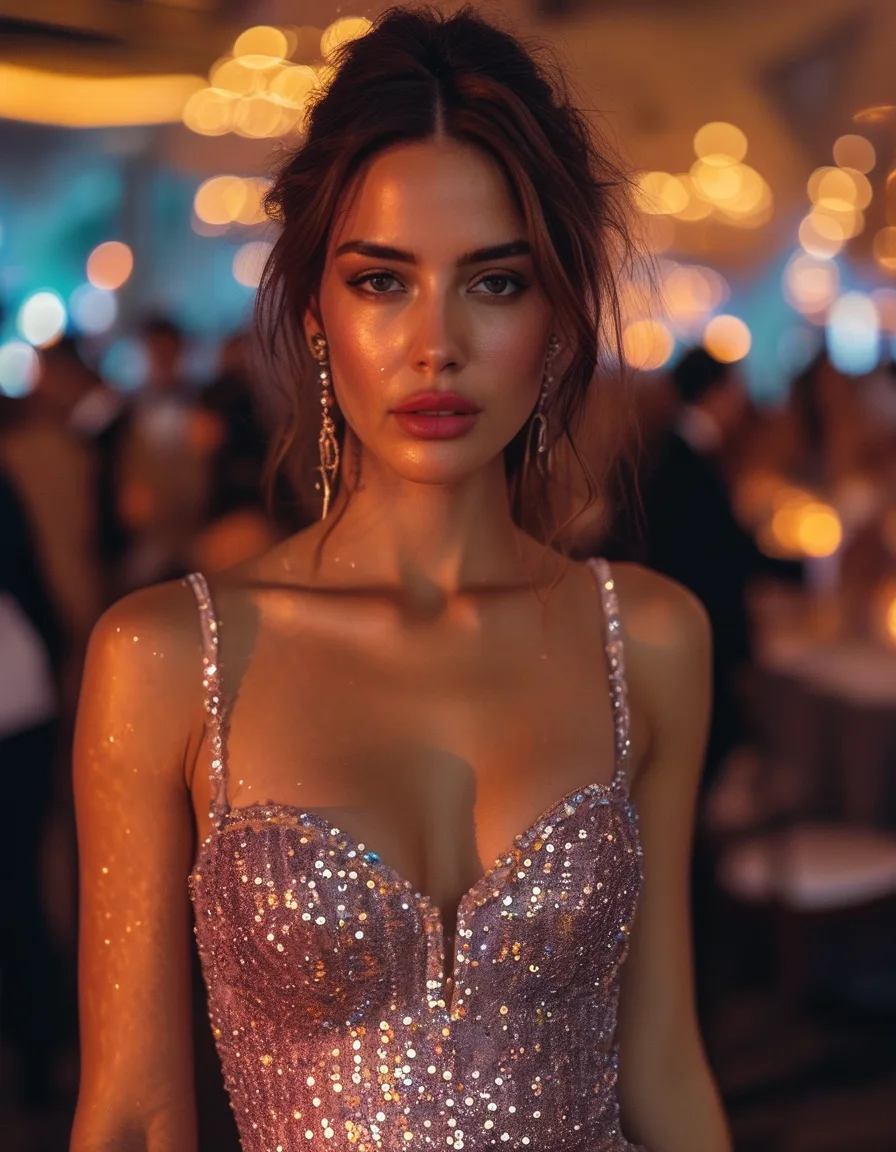
Everybody arrives in the same little sequined dress. You know this because you’ve been the person in it.
Here’s the counterintuitive part: in a room full of sparkle, more sparkle disappears. Sequins are the camouflage, not the statement.
Standout party style has considerably more range than glitter, and most of it is easier to wear.
Why does the sequin default stop working?
Because it’s a default, and defaults blend.
Sequins are genuinely fun and they photograph well under flash. The problem is entirely one of context — when a third of the room is in the same texture, the person in solid emerald is the one you notice.
There’s a practical case too. Sequins are heavy, they snag on everything including other people, and many of them are scratchy against bare arms across a four-hour evening. If you love them, wear them. If you’re wearing them because you couldn’t think of anything else, there are four better options.

How does color make a bigger statement than sparkle?
By being the thing nobody else is wearing.
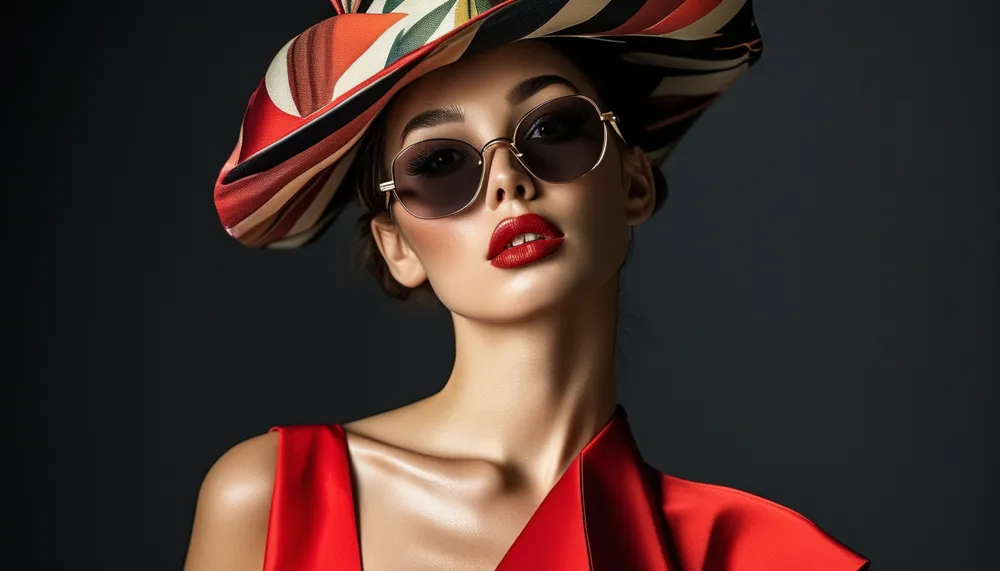
A dress in a rich, saturated, unexpected color reads across a room in a way texture doesn’t. Think emerald, oxblood, cobalt, deep plum, or a genuine scarlet — colors with enough depth to read as deliberate rather than bright.
It photographs beautifully, which matters at parties more than anyone admits. Saturated color holds up under bad indoor lighting and phone flash, where black flattens and sequins blow out into white patches.
Two practical notes. Fabric quality shows more in color than in black — a cheap sheen reads as cheap in emerald and hides in black, so this is a place to buy well. And keep the accessories quiet: gold or nude, nothing competing. The color is the statement.
What textures work instead of sequins?
Anything that catches light differently than the room around it.
- Velvet. Depth rather than shine, and it looks expensive at almost any price point. Best in cooler rooms — it’s warm to wear.
- Satin and silk. A liquid drape that moves as you do. Choose the fabric weight carefully; thin satin clings and shows every line, while a heavier crepe-backed satin hangs beautifully.
- Feathers. A trim at the cuff or hem is the easy entry point; a full feather piece is a commitment. Either way, it’s the most photographable texture on this list.
- Metallic weaves and lamé. Shine without the discrete-sequin look — a continuous surface rather than a thousand small mirrors.
The principle: texture catches light and attention without announcing itself as party wear. It’s a more sophisticated shine, and it works in far more rooms than sequins do.

Can you wear a suit to a party?
You can, and it’s the most underused option in the category.
A sharp tailored suit in a bold color or a luxe fabric — velvet, satin-lapelled, a rich jewel tone — reads confident and modern, and it’s memorable precisely because most of the room went with a dress.
What makes it work:
- The tailoring. A suit that fits well is the entire effect; a suit that doesn’t is just office clothes at a party. Budget for alterations.
- What’s underneath. A silk camisole, a bodysuit, or nothing but the jacket, depending on the room. This choice does more than the suit does.
- One statement accessory. A bold earring or a dramatic heel. The suit is already the idea.
Practical bonus: pockets, real ones, and no thinking about how you sit down. Not every party look is a dress.
When should the accessories be the outfit?
When you have a good simple base and don’t want to buy anything.
A plain black dress, a well-cut jumpsuit, or good trousers with a silk top will carry statement earrings, a dramatic heel, and a metallic bag without competing. The base recedes and the accessories do the work.
This is the cheapest route to a memorable party look, and it’s the most repeatable — the same black dress becomes three different outfits across a season with three different accessory sets.
The one rule: pick a focal point. Statement earrings or a statement necklace. A dramatic shoe or a dramatic bag. Three loud accessories on a quiet base reads as costume, not composition.
Myth vs Fact
Myth: Sparkle is required for a party outfit. Fact: Sparkle is the default, which is exactly why it doesn’t stand out. Color and texture read as more considered.
Myth: Bold color is riskier than black. Fact: Black is safer and also invisible. A saturated color in a well-cut piece is one of the most reliably flattering options there is.
Myth: A suit is too formal or too office for a party. Fact: In velvet, satin, or a jewel tone, with a camisole underneath, it reads as evening. Fabric determines the register, not the shape.
Myth: You need a new outfit to look different. Fact: Accessories on a simple base produce three distinct looks from one dress across a season.
Myth: More accessories means more impact. Fact: One focal point reads as deliberate. Three competing pieces read as costume.
FAQ
What can I wear to a party instead of a sequin dress?
The four strongest alternatives are a dress in a rich saturated color, a piece in a luxe texture like velvet or satin, a tailored suit in a bold color or evening fabric, or a simple base styled with statement accessories. All four stand out more in a sparkle-heavy room than additional sparkle does, and most are more comfortable to wear across a long evening.
What color stands out at a party?
Deep saturated jewel tones — emerald, cobalt, oxblood, plum — read best because they hold their depth under indoor lighting and photograph well with flash, where black flattens out. Bright pastels tend to wash out in evening light. Whatever the color, keep accessories quiet so the color stays the statement.
Is velvet still in style for parties?
Velvet is a perennial evening fabric rather than a trend, and it works because of how it absorbs and reflects light rather than because of any season’s fashion. It reads expensive at most price points and photographs with depth instead of glare. The main consideration is the room temperature — it’s warm, so it suits cooler venues better.
TL;DR:
- In a sparkly room, more sparkle blends in. Sequins are the camouflage.
- Rich saturated color reads across a room and photographs better than black or sequins.
- Texture — velvet, satin, feathers, metallic weaves — catches light more sophisticatedly.
- A tailored suit in a jewel tone or luxe fabric is the most underused party option.
- A simple base plus statement accessories is the cheapest and most repeatable route.
- Pick one focal point. Three loud pieces read as costume.
Keep Reading
This article is for general styling and informational purposes only. Trends, sizing, availability and pricing may vary by brand and season.